
As the calendar flips to September, many hunters eagerly anticipate the start of deer season, especially for the unique opportunity of Kentucky velvet buck hunting. However, the often lingering heat of early fall in Kentucky can present unique challenges for both deer and hunters alike. At Kentucky Trophy Deer, we understand the intricacies of this period and how it shapes the behavior of mature whitetails. Understanding how these warmer temperatures affect velvet bucks is key to a successful early-season hunt and will significantly impact how you approach Kentucky trophy deer hunting.
The Early September Transition: Velvet and Heat Stress
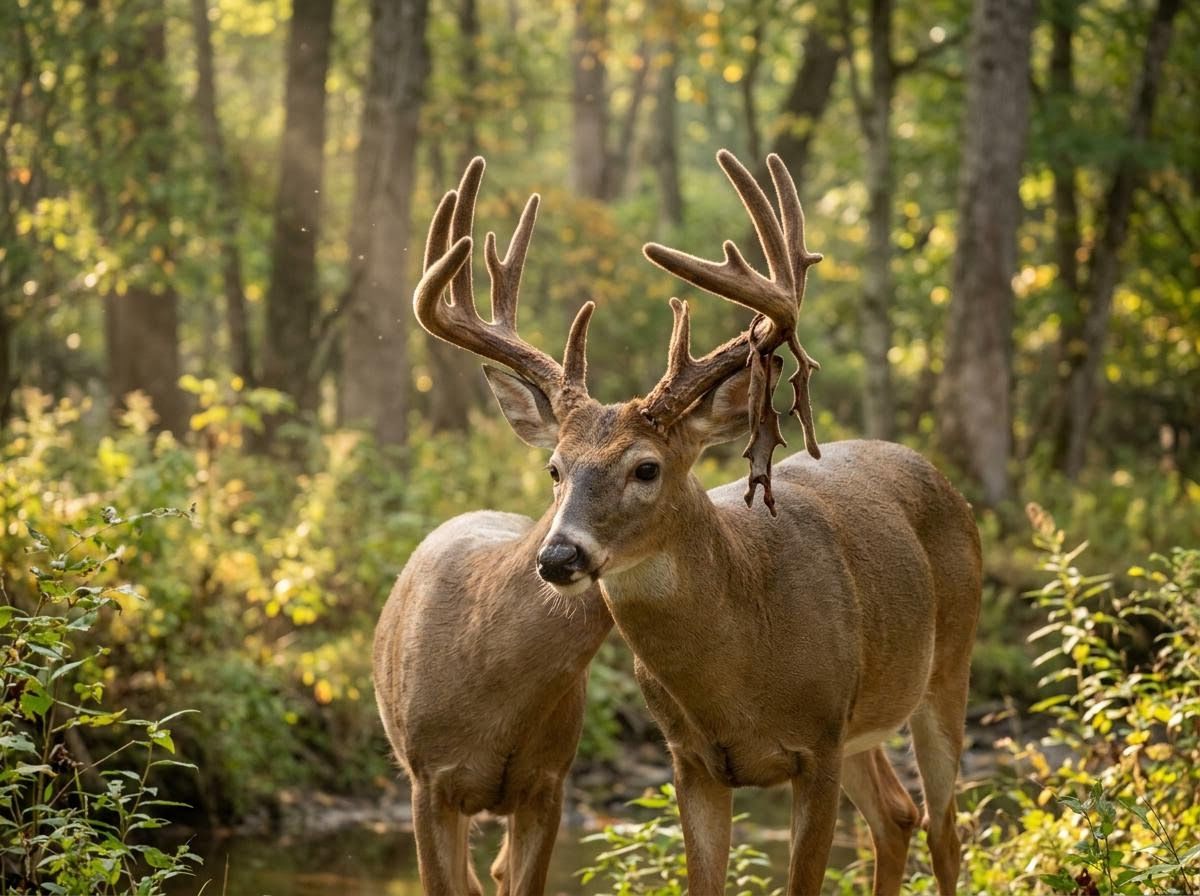
Early September marks a critical period for whitetail bucks. This is typically when bucks are shedding their velvet, a process triggered by decreasing daylight hours and a surge in testosterone. While this transition is natural, an unexpected heatwave can add significant stress. Velvet is a highly vascular tissue that helps grow the antlers, and its presence can make bucks more susceptible to overheating, as it acts as an insulator. When temperatures remain high, bucks will prioritize thermoregulation, leading to altered patterns and increased seeking of cool, shaded environments. This physiological response is crucial to consider when planning for a successful early season.
How Warm Weather Influences Buck Behavior and Movement
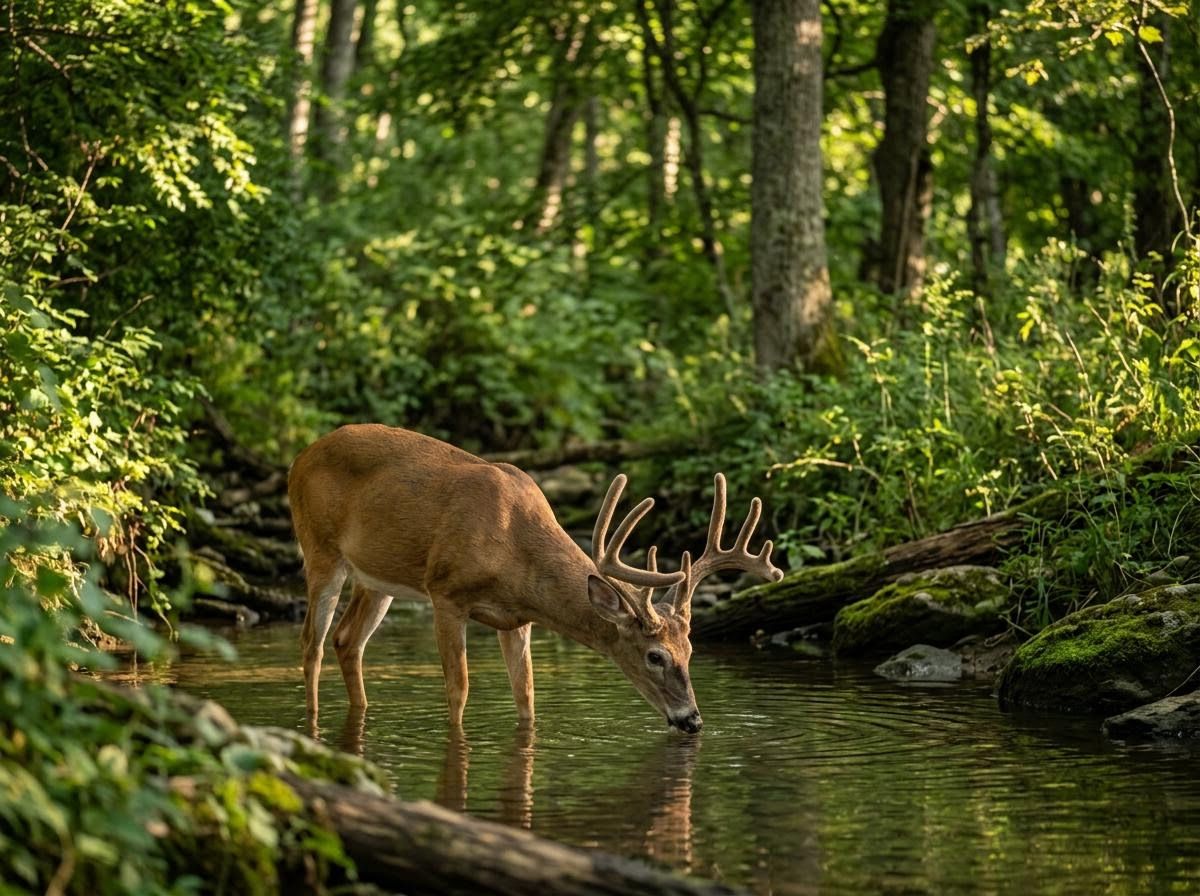
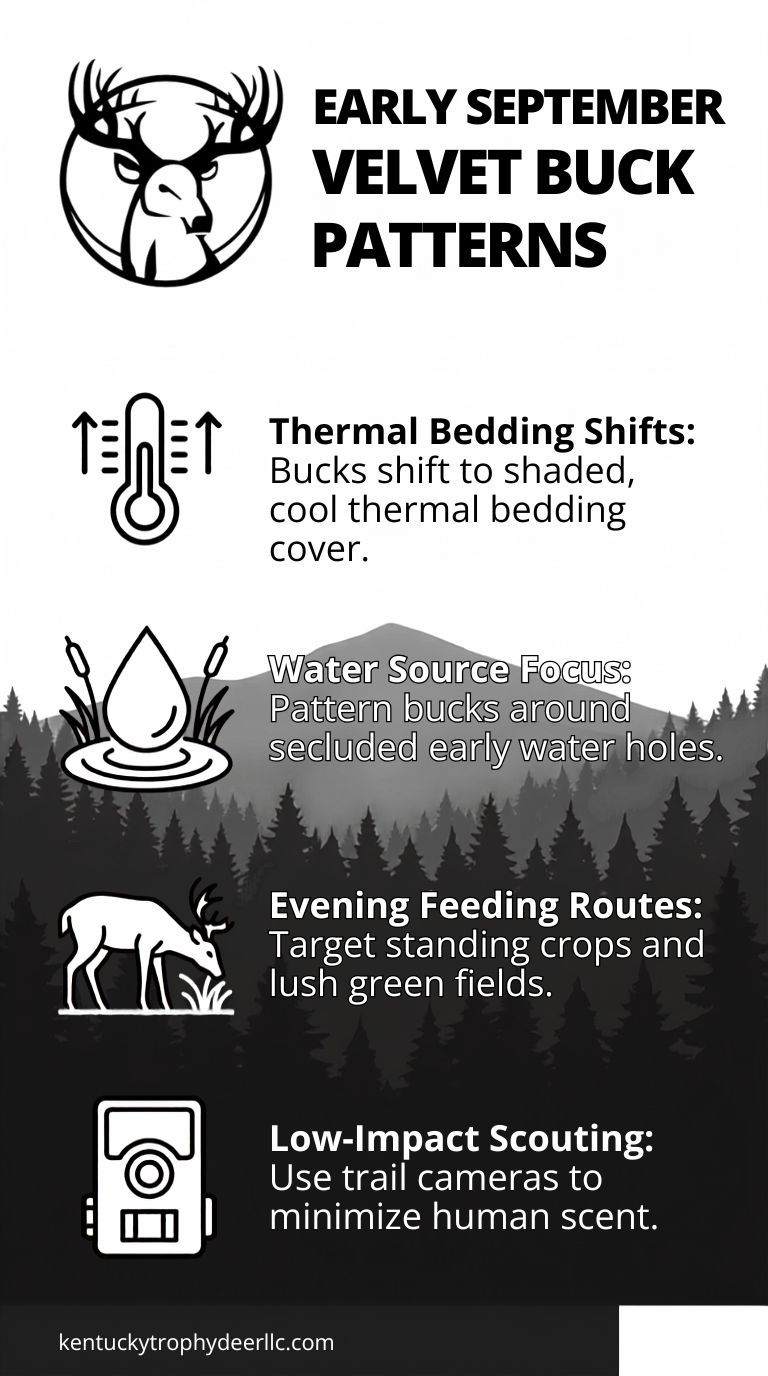
High temperatures directly impact a buck's daily routine. Instead of moving freely, they become far more nocturnal, conserving energy during the hottest parts of the day. Their primary focus shifts to staying cool, finding water, and accessing palatable food sources that require minimal exertion. You'll often find them bedding in the thickest, shadiest cover available, often near water sources like creeks, ponds, or even damp depressions. Movement during daylight hours, especially morning and mid-day, will be significantly reduced, making them much harder to pattern. Understanding these behavioral adjustments is paramount for anyone engaging in guided whitetail hunts Kentucky during this challenging period.
Patterning Strategies for Warm Weather Velvet Bucks
Successfully patterning velvet bucks in early September heat requires a methodical and patient approach. Focus your scouting efforts on areas with consistent water sources and dense thermal cover. Bucks will travel minimal distances from these havens during daylight. Pay close attention to trails leading directly to water or shaded food plots. Instead of focusing on traditional feeding patterns, consider evening ambushes near water or shaded bedding entry/exit points. Utilizing trail cameras strategically placed on these key travel corridors can provide invaluable insight into their nocturnal movements. For those seeking a premier experience, working with the best whitetail outfitters in Kentucky often means leveraging years of localized knowledge and advanced scouting techniques to adapt to these specific conditions.
Hunting in early September, particularly for Kentucky velvet buck hunting, offers a unique challenge that warm weather only amplifies. By understanding the physiological and behavioral changes bucks undergo during this time, and adapting your scouting and hunting strategies accordingly, you can increase your odds of success. For those planning an immersive experience, exploring a Kentucky hunting lodge all inclusive can provide the ideal base for navigating these conditions. To delve deeper into effective early season strategies and learn how experienced professionals approach these hunts, consider reviewing our detailed resources on whitetail behavior.