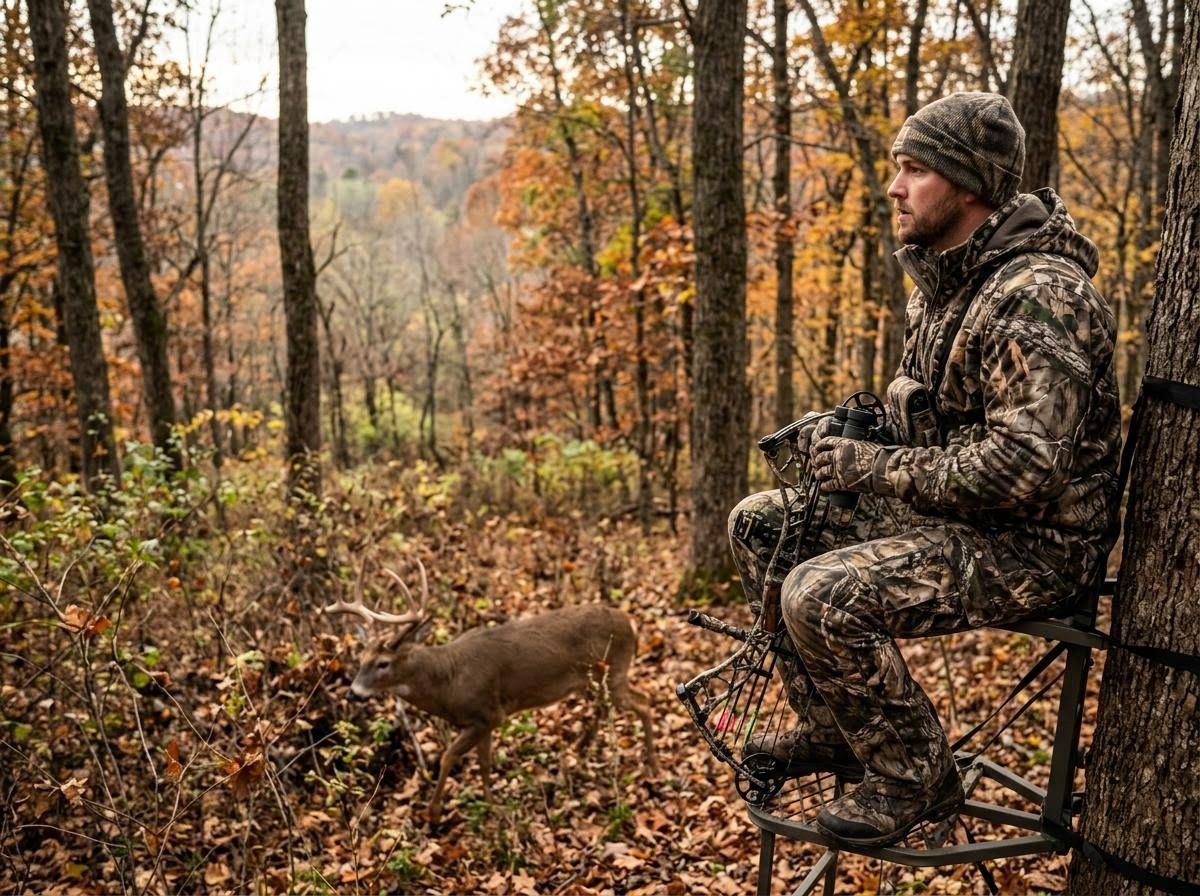
For many dedicated hunters, the crisp air and changing leaves of November signal the pinnacle of deer season: the rut. Western Kentucky, with its rich landscapes and abundant deer population, becomes a prime destination during this exciting period. At Kentucky Trophy Deer, we understand the anticipation that builds as the rut approaches, and we're here to share insights to help you make the most of your Kentucky trophy deer hunting experience.
Understanding the November Rut Timeline
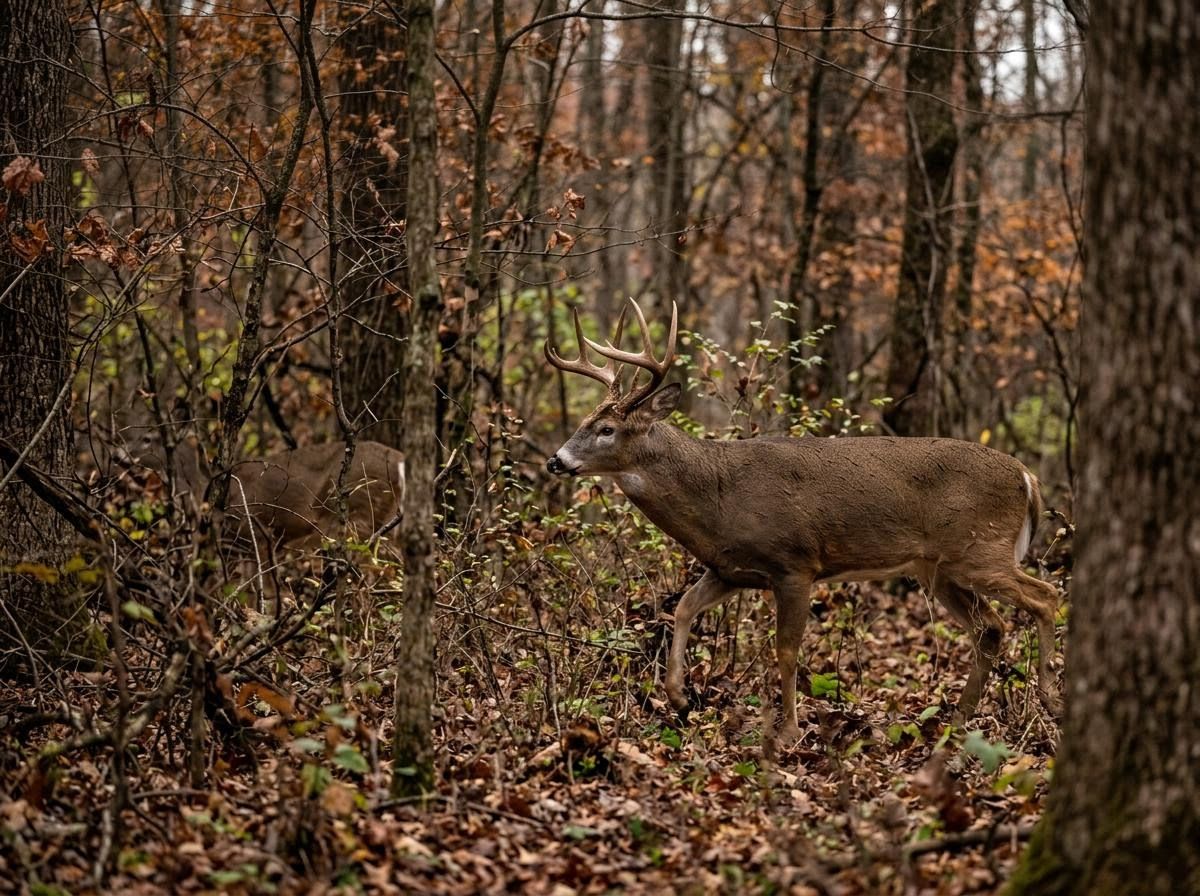
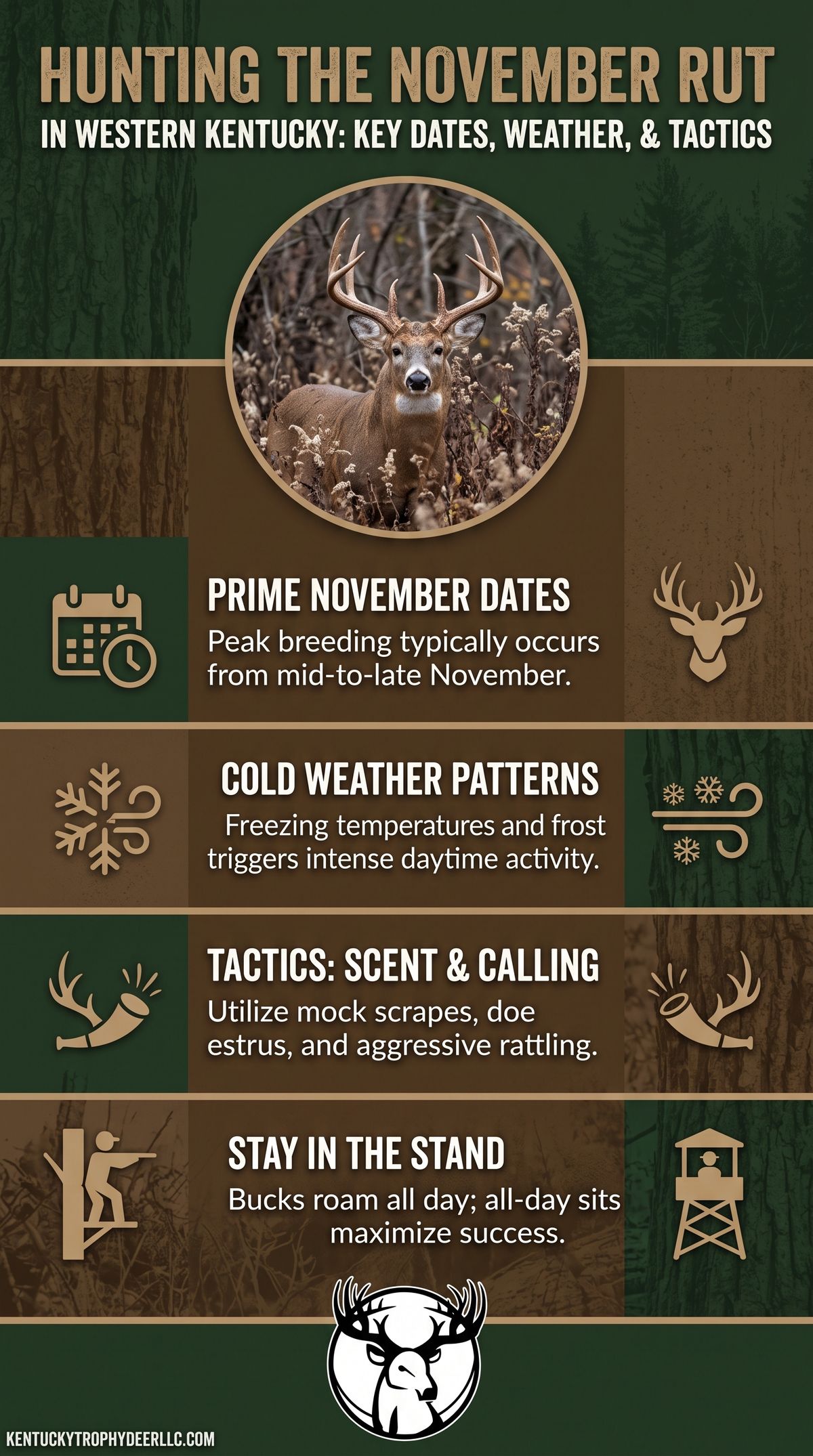
The November rut in Western Kentucky doesn't happen all at once; it's a dynamic period influenced by several factors, including daylight hours and doe estrus cycles. Generally, the rut begins with a pre-rut phase in late October, where bucks become more active, chasing does but not yet breeding. The peak breeding phase typically occurs in the second and third weeks of November. During this time, bucks are intensely focused on does, making them more susceptible to traditional hunting tactics. Following the peak, a post-rut period emerges towards late November and early December, where bucks are exhausted but still seeking out any remaining receptive does. Understanding these phases is crucial for timing your hunt effectively.
Navigating Western Kentucky Weather Patterns
Weather plays a significant role in deer behavior during the rut. Cold fronts can often kick deer activity into high gear, making bucks move more in search of does. Conversely, unusually warm spells can cause deer to become more nocturnal or to seek thicker cover, reducing daytime movement. Observing local forecasts and understanding how temperature, wind direction, and precipitation affect deer is vital. For instance, a light rain can dampen leaves, making for quieter movement through the woods, while heavy winds might encourage deer to bed down in sheltered areas. Adapting your hunting schedule and location based on these daily weather shifts can dramatically increase your chances of success during guided whitetail hunts Kentucky.
Effective Tactics for Rut Success
Successful hunting during the November rut requires a blend of patience, observation, and strategic execution. Stand placement is key; focus on pinch points, funnels, and transition zones between bedding and feeding areas, as bucks will travel these routes in search of does. Calling, such as grunts and rattling, can be highly effective during the peak rut, mimicking buck interactions and drawing curious or aggressive deer closer. Scent control is paramount, as a buck's nose is his primary defense. Additionally, incorporating a bit of scouting, even during the hunt, to identify fresh scrapes and rubs can point you to areas of recent buck activity. Many find that relying on the best whitetail outfitters in Kentucky provides the invaluable local knowledge needed for these tactical approaches.
Planning Your Premier Rut Hunt
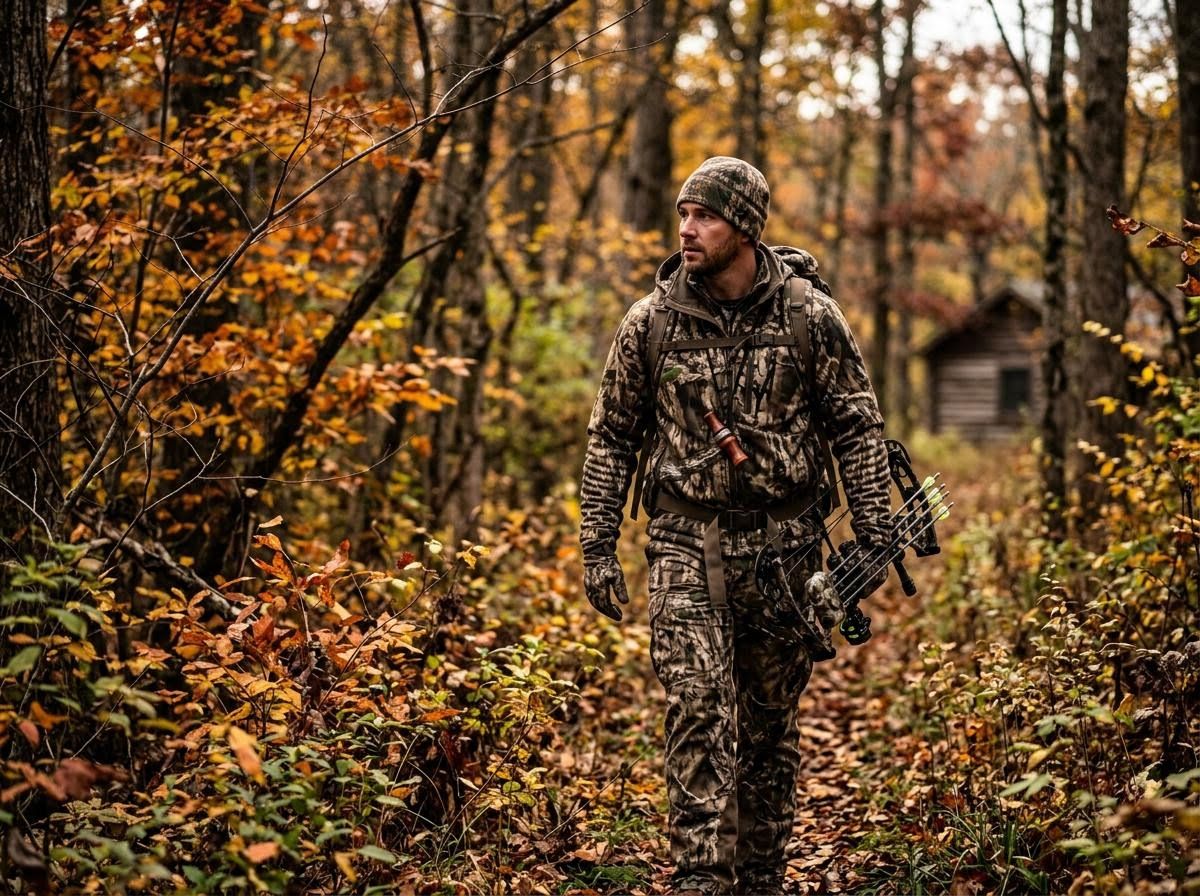
Embracing the complexities of the November rut—from its precise timing to unpredictable weather and necessary tactical adjustments—is what makes it one of the most rewarding times to be in the woods. This knowledge, coupled with an immersive experience, transforms a hunt into a memorable adventure. For those seeking a truly comprehensive hunting trip, exploring options for a Kentucky hunting lodge all inclusive can provide the perfect blend of challenging pursuit and relaxing comfort. To learn more about how to prepare for your next world-class hunting experience and discover tailored strategies for rut success, consider visiting our website for additional resources.