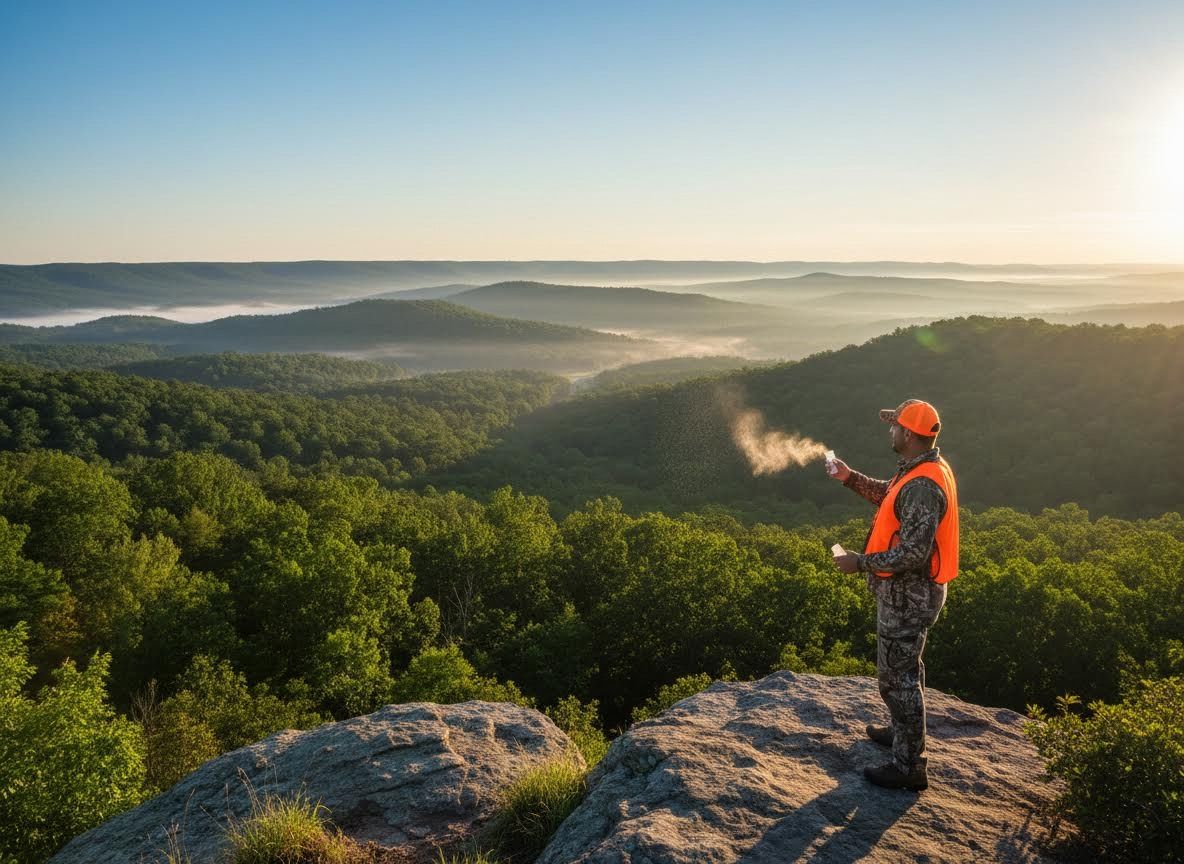
Understanding wind patterns is paramount for successful deer hunting, especially in Kentucky's diverse terrain of rolling hills, dense forests, and deep hollows. At Kentucky Trophy Deer, we know that mastering these invisible forces can make all the difference between a memorable outing and an empty stand. This guide will help you decipher the complexities of air movement across the landscape to significantly improve your hunting strategy.
The Invisible Guide: Understanding Wind and Thermals
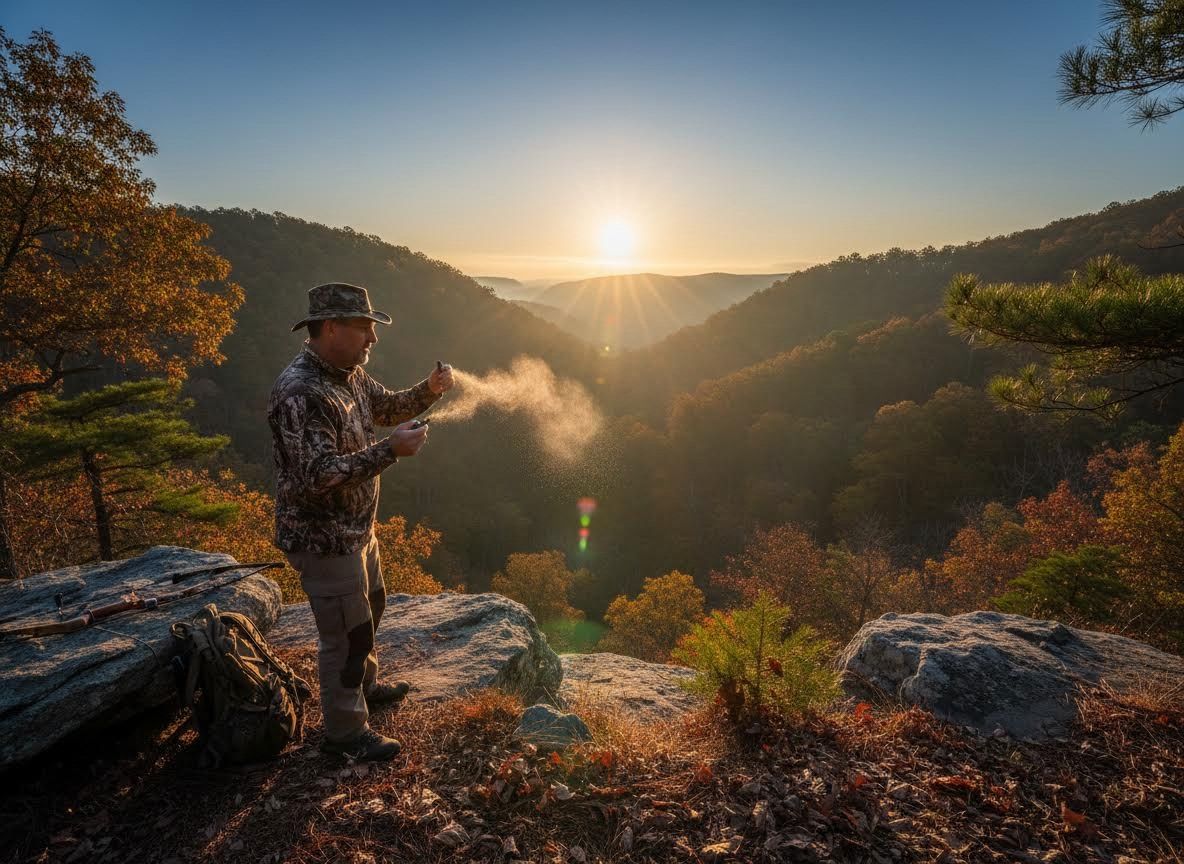
Wind is more than just a horizontal movement of air; in broken terrain, it's a dynamic, three-dimensional force shaped by topography and temperature. Thermals, the rising and falling of air due to temperature changes, play a critical role. As the sun rises, it warms the ground, causing air to rise (an updraft), which can carry your scent uphill. Conversely, as the sun sets and the ground cools, air descends (a downdraft), pushing your scent downhill and into hollows. Recognizing these daily thermal shifts, in addition to the prevailing wind direction, is foundational to effectively planning your approach and stand placement.
Hunting Ridges: Playing the Crosswinds and Prevailing Breezes
When hunting ridges, the general rule is that prevailing winds will often follow the contours of the high ground, creating a relatively predictable flow. However, ridge lines are also exposed, making wind susceptible to swirling, especially where terrain features like saddles or intersecting smaller ridges are present. Smart hunters often position themselves just off the top of a ridge on the downwind side, using the ridge itself as a barrier to keep their scent from blowing directly into the area they expect deer to travel. Crosswinds, where the wind blows perpendicular to the ridge, can be ideal if you can anticipate deer movement patterns that keep them consistently upwind of your position.
Navigating Hollows and Drainages: The Swirl Factor
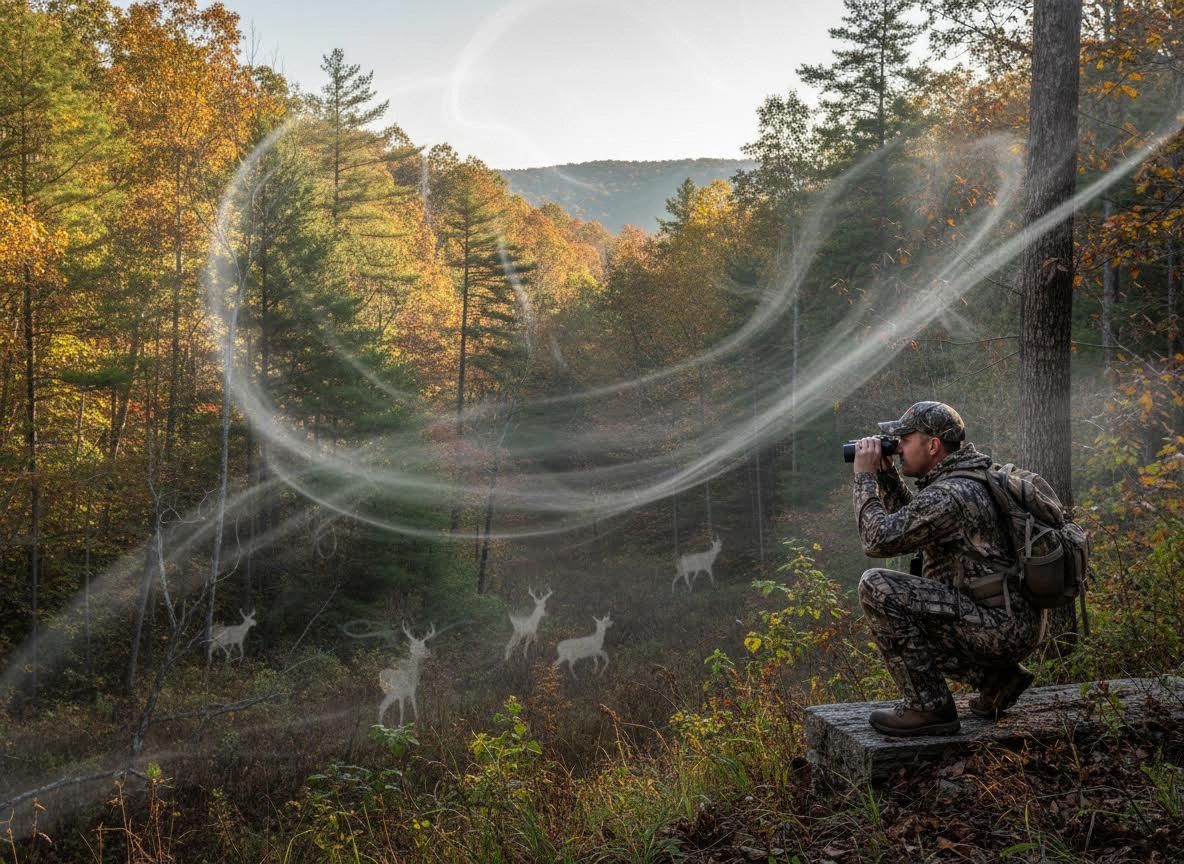
Hollows and drainages are notorious for their unpredictable wind patterns. While they can act as natural travel corridors for deer, they also funnel air, creating eddies and swirls that can carry your scent in multiple directions. During early morning or late evening, as thermals dictate, scent will primarily travel either up or down the hollow. However, midday or with strong prevailing winds, the air can become turbulent. When hunting these features, it's crucial to identify pinch points where deer are likely to pass quickly, minimizing their exposure to your swirling scent cone. Often, setting up on a small bench or secondary ridge overlooking a hollow can provide a more stable wind advantage than being directly within the hollow itself.
Strategic Adaptability for Kentucky Whitetail Season
Successful hunting during the kentucky whitetail season demands constant awareness and adaptability to changing wind conditions. Before heading out for hunting excursions, always check detailed wind forecasts, paying attention to speed, direction, and predicted thermal shifts. Once in the field, use a wind checker to observe actual air movement, as localized terrain can significantly alter global forecasts. Be prepared to adjust your stand location, approach, or even your hunting area if the wind isn't cooperating. This proactive approach, combining scientific understanding with on-the-ground observation, is key to consistently putting yourself in advantageous positions.
Mastering the invisible currents of wind and thermals is a skill that elevates any hunter's success, transforming good outings into truly exceptional ones. Understanding how Kentucky's unique topography influences air movement is a cornerstone of effective strategy, ensuring you remain undetected by the keen senses of a whitetail. For those looking to refine their approach, particularly on challenging terrains, exploring resources on guided whitetail hunts can provide invaluable, localized expertise. Our kentucky hunting lodge welcomes you to learn more about preparing for your next hunting adventure by reviewing the comprehensive guides and services available on our website.